
In website design, simplicity can be powerful thing, and there are few approaches simpler than having a single page website. Instead of multiple pages and menus, everything sits on one easy-to-scroll page.
But is that right for your business?
Here’s a clear look at the advantages and disadvantages of single page websites, so you can make an informed decision.
What is a Single Page Website?
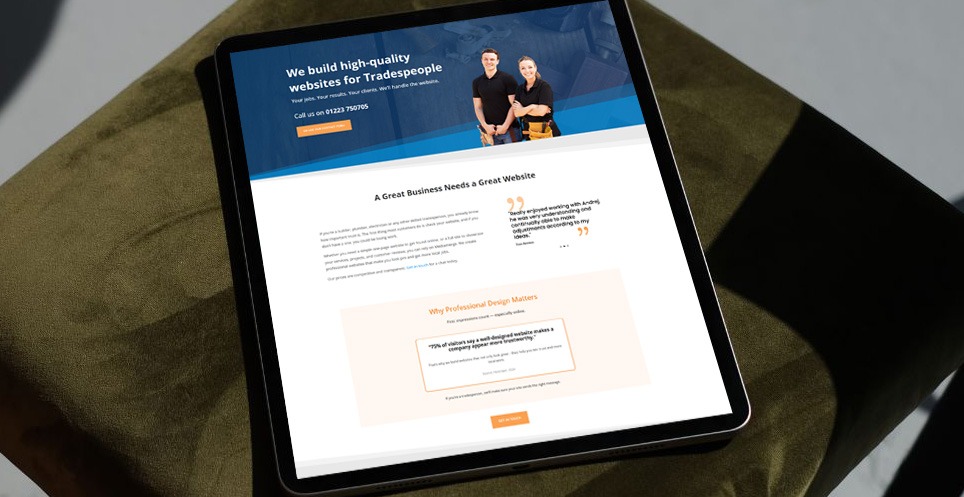
A single page website has all its content on one page, with anchor links or scrolling guiding visitors to different sections. It’s a streamlined, modern approach that works well for telling a clear, focused story from top to bottom. Whilst usually reserved for landing pages for a marketing campaign, they are great structured way to guide visitors through what you do, without have to navigate across pages.
Pros of a Single Page Website
Streamlined User Experience
Everything is in one place – no clicking around or getting lost in menus. This straightforward journey is excellent for guiding visitors through your message and keeping them focused on your main call to action.
Strong Storytelling Flow
Single page designs shine when you want to control the narrative. By laying out your sections in a specific order, you can tell a cohesive, compelling story that leads users naturally toward conversion.
Mobile Friendly
With more users browsing on mobile, single page websites have an edge. Scrolling is intuitive on smartphones, and there’s less need for clunky navigation.
Conversion-Focused Design
A single page site typically has one clear goal – like signing up, booking a service, or making a purchase. This tight focus can improve conversion rates, avoiding the distractions of multiple pages.
Lower Cost and Easier Maintenance
Single page sites usually take less time and budget to build. They’re also simpler to maintain – no need to update dozens of pages or worry about complex site structures.
Ideal for Specific Use Cases
They’re especially effective for:
- Product or app launches
- Event or conference pages
- Personal portfolios
- Simple service offerings
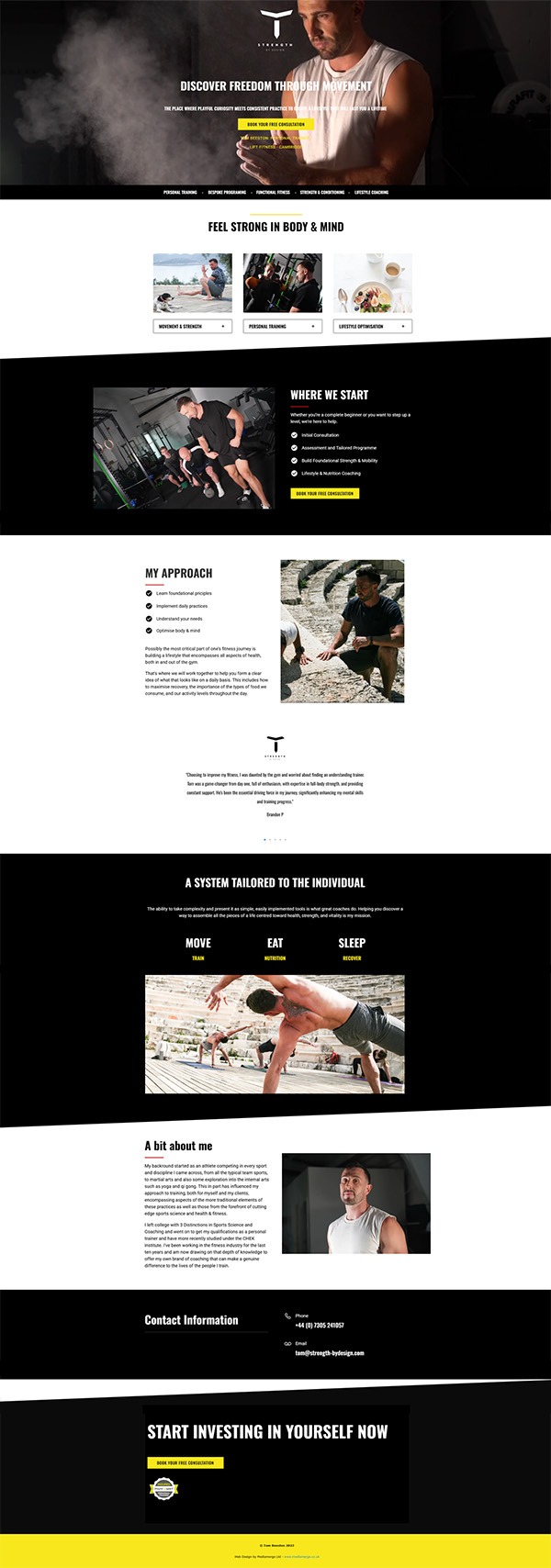
Example of a single page website we produced featuring video, photos, graphics, focussing on one service.
Cons of a Single Page Website
Limited SEO Opportunities
You only have one URL to rank in Google, with a single set of meta tags and limited keyword targeting. That makes it tough to compete for multiple search terms, and there’s no good way to integrate a blog for ongoing SEO. Limited organic SEO means you will need to drive traffic to the page using other means which could increase cost and time investment.
Harder to Scale
If you want to add new services, case studies, or content over time, a single page can quickly become too long or cluttered. Expanding usually requires a complete redesign into a multi-page site.
Navigation Challenges for Complex Content
While great for simple stories, single page layouts can struggle to organise lots of information clearly. If you want your visitors who want to jump straight to a specific section or piece of information, it can be less convenient if you have an endlessly long page.
Slower Load Times
Loading all content at once (images, video, text) can hurt performance if not optimised carefully, especially on mobile data connections. A long web page with lots of rich content like images, video, forms or interactive elements can load very slowly. A sluggish website can quickly put visitors off. Even a 1-second delay can boost your bounce rate by 32%, while a 10-second wait can make it skyrocket by 123%.
Analytics Limitations
With only one page view to track, you lose the granular insights multi-page sites offer. As the owner of a multi-page website , you can see what page your visitor was on and link that view to your marketing campaigns and traffic sources in GA4. On a single page site you can use scroll tracking, so get insights as to how far down your page visitors read, but it’s harder to know exactly what content is engaging visitors most.
Should You Choose a Single Page Website?
A single page website can be a fantastic option if:
- You have a simple, focused offering.
- You want to tell a clear, engaging story.
- You’re targeting mobile users.
- You need a fast, cost-effective solution.
- SEO isn’t your main marketing strategy.
But for businesses planning to scale, target many keywords, or publish regular content like blog posts, a multi-page site is often a better investment.
Need Help Deciding?
At Mediamerge, we design both single page and multi-page websites that are beautiful, effective, and built to meet your goals. Not sure which is right for you? Contact us for a free consultation. We’d be happy to help you choose the best approach for your business.
If you need help with your website, get in touch.
Contact